
Seat
Seat 1400
 |
|
|
Production period: |
1953 to 1964 |
|
Class : |
Motor car |
|
Body versions : |
Van,station wagon,sedan |
|
Engines: |
Petrol : in line 4 with 1.4 liters |
| Wheel base: | 104.33 in, 2650 mm |
| Length: | 175.79 in,4465 mm |
| Width: | 63.78 in, 1620 mm |
| Ground clearance: | 6.7 in, 170 mm |
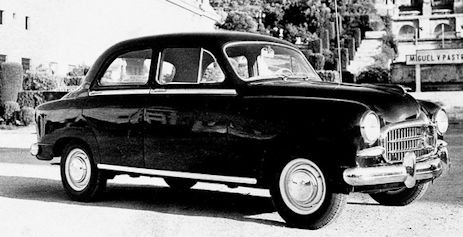
The Seat 1400 is a mid- size car . It was the first vehicle from Seat, which was manufactured from 13 November 1953 produced under a Fiat license between 1953 and 1964 . It was the first vehicle assembled by the brand in Barcelona
The parts of the Fiat 1400 corresponding car were made in Italy, where the assembly took place in Spain. The vehicle was equipped with a series four-cylinder petrol engine, which developed a capacity of 44 CUNA-PS from 1395 cc . Its top speed was 116 km / h.This SEAT 1400 was identical to the Fiat 1400/1900 (type 101) of 1950, the first model with monocoque body built by the Italian brand, and had a body type "Pontoon" with rounded lines, inspired by the American cars of the time. The successive versions of it were: 1400, 1400 A, 1400 B, and 1400 C. The 1400 had a saloon type body, but family versions were also presented (5 doors), glazed or closed (van), elongated (limousine), ambulances, funerals, and the Sport Spider cabriolet (designed by the Catalan coachbuilder Pedro Serra).
The original 1400 was only manufactured for one year, from May 1953 to May 1954 . This body at the beginning did not have a large number of chrome, which were increasing in number and size as the years passed and the versions. It also featured in optional with versions with black, red or white roof.Being only one year in the production line, the units manufactured were very scarce, some 2114. The engine was a 4 cylinders in line of 1.395 cc cooled by water, which developed 44 CV, which allowed this first version reach a top speed of 120 km / h.
In 1955 it was replaced by the Seat 1400 A and now completely made in Spain. Similar to the Fiat 1400 A, the engine output also increased to 50 CUNA-HP, with the maximum speed now being set at 125 km / h and the power to 50 HP. In this version more chrome were added, the optical groups of the rear part were replaced and the rear window was enlarged, among other modifications. Between 1954 and 1960 it was produced 30,990 units SEAT 1400 A.
From December 1956. the Seat 1400 B was built. As with the Fiat counterpart, the engine output now increased to 58 CUNA-PS, with the vehicle it brought to 135 km / h. It had a design more similar to that of American cars and some more chrome than its predecessor.
As of 1958, the 1400 B Special, the last variant of the SEAT 1400 manufactured with the initial bodywork, experienced another new power increase until reaching 58 HP when finally adopting the propeller of the original Fiat 1400 B, allowing it to develop now the 135 km / h. The instrument panel of this car was also adopted, with the horizontal tape speedometer, which earned it the popular nickname of "Mercurio" (due to the similarity with the reading bar of the thermometers). Between 1956 and 1959, 17,053 units of the 1400 B and 1400 B Special were produced. In optional, it had two-color paint in different combinations, giving it a more striking and at the same time elegant appearance.
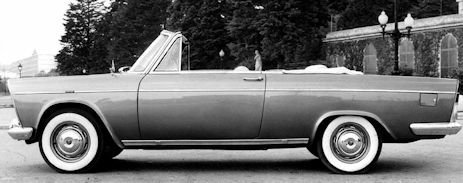
1959 appeared the Seat Corver 1400 Cabriolet . The coachbuilder SERRA produced the two-door Cabriolet in Frua style with panoramic windshield, leather trim and air scoops on the hood only in small quantities on customer order.
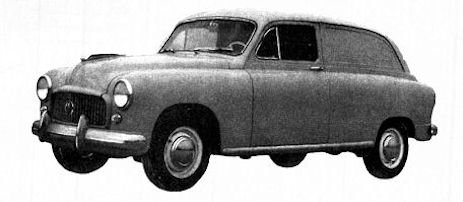
1960 1400 B was the more modern seat 1400 C replaced. This had the same engine and the same suspension as the 1400 B, but he distinguished himself from this by the trapezoidal body of the Fiat 1800 . In addition to the sedan, a five-door station wagon (Familiar, from 1963), a two-seat box van with left rear discs (Fúgon) and a pick-up were offered. The coachbuilder ONECA also built a six-seater sedan. Four cylinders, 1395 cm3, 82 x 66 mm, 44 HP / 50 HP / 58 HP, A Solex / Weber 36 DAD1 carburetor with automatic starter, only in model C.
PERFORMANCE: 1400 C
- Engine capacity: 85.32 cu in, 1395 cu cm
- Fuel consumption: 28.2 m/imp gal, 23.5 m/US gal, 10 1 x 100 km;
- Max speed: 83.9 mph, 135 km h;
- Max power (DIN): 58 hp at 4600 rpm
- Max torque (DIN):65 1b ft, 9 kgm at 3700 rpm
- Max number of engine rpm: 4800
- Power-weight ratio: 40.4 lb/hp,18.3 kg/hp
In early 1964, the Seat 1400 C was discontinued in favor of the successor Seat 1500 . A diesel engine, as in the Italian model, but there was not the Seat.
The SEAT 1400 C was commercialized from its introduction in 1960 until 1964 after a short coexistence with its successor the SEAT 1500 Despite sharing the name with the SEAT 1400 A and B, the 1400 C belonged to the family of the Fiat 1800/2100 , successors of the Fiat 1400/1900 on which they were based.
With the discontinuation of production in Italy of the type 101 -Fiat 1400 and 1900- to be replaced by the new type 112 -Fiat 1800 and 2100-, Fiat developed for SEAT a four-cylinder variant specific to the new type 112 as part of the agreement of manufacturing. This variant used the largest possible number of components already in production at the Barcelona factory, so it used the entire front set of the old 101 adapted to the new chassis. The front bridge maintained the spring suspension of the 1400 B on which the four-cylinder 101A engine of the Fiat 1400 B Especial was initially incorporated along with an adapted transmission and a simplified rear bridge with transmission brake, the first version being four cylinders on this body. In spite of being a completely new model, the denomination 1400 regarding the displacement was maintained, with the surname "C" in congruence with the previous series.
The gearbox 4 speeds with the three highest synchronized, and reverse with lever on the steering column.Schematic Hotchkiss formed by two axes, the first coupled to the change by means of flexible joint and support at the opposite end to a cylindrical roller bearing, the second coupled to the first and to the rear bridge by cardan joints. Suspension Front, double triangles forming a deformable parallelogram, coil spring springs, double-acting hydraulic telescopic shock absorbers and stabilizer bar.Rear, rigid axle with semicantilever ballestines making reaction and push arms, heicoidal springs as spring, double-acting telescopic hydraulic shock absorbers, double rail guide bar anchored to the bridge and on L-profiles to the chassis (panhard bar in 1400 C), anti-roll effect provided by the leaf springs themselves.Hydraulic drum on all four wheels, by hand acting on the transmission ,the distribution of weight: 55.41 % at the front axle, and 44.59 % to rear axle.
Like Fiat with the 1500 L a year before, SEAT incorporated in 1963 the engine of 1481 cc, from the new Fiat 1300/1500 to its own variant. This, together with a discrete series of improvements, meant the change of denomination to "SEAT 1500", in reference to the new mechanics.
His "American" line, designed by the engineer Dante Giacosa , left the pontoon lines of the Fiat / SEAT 1400 A / B in favor of the Italian design trend of the late 50's in vogue with the experimental Lancia Florida of 1955 bodywork by Pininfarina and its production version, the Lancia Flaminia ( Pininfarina , Turin 1957), resulting very similar to the recent Alfa Romeo 2000 ( Carrozzeria Touring , Milan 1957).
The engine was already 25% more power than in the original 1400 and at the time was not as inframed as it might seem from a current perspective, because the power was even higher than similar European models such as the Opel Rekord 1500 ( 50 CV DIN) or Ford Taunus 17 M (55 HP DIN). It began to be sold in February 1960 at a price of 160,000 pts (with some delay on the forecasts for the late arrival of parts from Italy) and in total, 47,284 units of the SEAT 1400 C were produced, adding to it the (1,602 units of the family version).
Prototypes and Derivatives
- SEAT 1400 Sport (1959).
- SEAT 1400 Microbús (1957), It was shown at the Trade Fair of
- SEAT 1400 Sport cabriolet bodied by Serra
SEAT 1400 7 It was a modified 1400 B, without roof or doors, special for SEAT visits. Of this model only 2 units were manufactured.
Different bodies were derived, such as the elongated one, the van of commercial type (closed) and tourism (glazed) and also adaptations to provide services such as taxi, ambulance, police or funeral cars. Some of these derivatives, mainly those destined for taxi, were fitted with diesel engines from Barreiros , the mechanical ones were named as (EB-55, C14 and C24).
The bodybuilder and designer Pedro Serra made several recarrozados or adaptations from the three versions, especially cabriolet bodies.
There was a derivative with closed box type bodywork designed by the Hugas bodybuilder of Sant Adrià de Besò called Fugón Hugas. It appeared in 1957 and remained in production until 1960.
Seat Models Timeline

List of cars sold by the Spanish manufacturer SEAT organized by year of start of manufacture . The models are classified by Series an evolution of the model.
1950 - 1959
- 1953 - 1954 SEAT 1400
- 1954 - 1960 SEAT 1400 A
- 1956 - 1959 SEAT 1400 B / B special
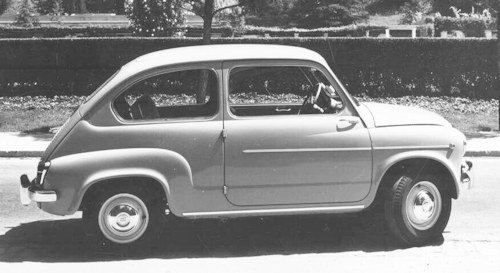
- 1957 - 1963 SEAT 600 N
- 1959 - 1961 SEAT 1500 (First series)
1960 - 1969
- 1960 - 1964 SEAT 1400 C
- 1961 - 1963 SEAT 1500 (Second series)
- 1963 - 1968 SEAT 1500 (Third series)
- 1963 - 1970 SEAT 600 D
- 1964 - 1967 SEAT 800
- 1966 - 1974 SEAT 850
- 1967 - 1974 SEAT 850 long
- 1967 - 1970 SEAT 850 Coupe
- 1968 - 1971 SEAT 124 (First series, phase 1)
- 1968 - 1971 SEAT 1430 (First series)
- 1969 - 1973 SEAT 600 E
1970 - 1979
- 1970 - 1972 SEAT 850 Sport Coupe
- 1970 - 1972 SEAT 850 Sport (Spider)
- 1970 - 1972 SEAT 124 Sport (1600)
- 1971 - 1975 SEAT 124 (First series, phase 2)
- 1971 - 1973 SEAT 1430 (Second series)
- 1972 - 1973 SEAT 600 L
- 1972 - 1974 SEAT 124 Sport (1800)
- 1972 - 1975 SEAT 127 (First series, phase 1)
- 1973 - 1975 SEAT 1430 (Third series)
- 1973 - 1974 SEAT 132 (First series)
- 1974 - 1977 SEAT 132 (Second series)
- 1974 - 1977 SEAT 133 (First series)
- 1975 - 1980 SEAT 124 (Second series)
- 1975 - 1977 SEAT 127 (First series, phase 2)
- 1975 - 1978 SEAT 131 (First series)
- 1975 - 1980 SEAT 1200 Sport (Bocanegra)
- 1976 - 1979 SEAT 128
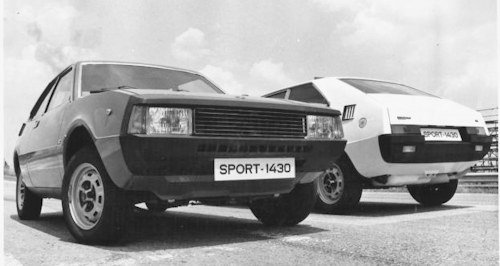
- 1977 - 1980 SEAT 1430 Sport (Bocanegra)
- 1977 - 1982 SEAT 127 (Second series)
- 1977 - 1980 SEAT 132 (Third series)
- 1977 - 1981 SEAT 133 (Second series)
- 1978 - 1981 SEAT 131 (Second series)
- 1979 - 1982 SEAT Rhythm
1980 - 1989
- 1980 - 1986 SEAT Panda
- 1981 - 1986 SEAT Trans
- 1981 - 1982 SEAT 127 Fura
- 1981 - 1984 SEAT 131 (Third series)
- 1982 - 1983 SEAT Fura
- 1982 - 1984 SEAT Round (First phase)
- 1983 - 1986 SEAT Fura Dos
- 1984 - 1986 SEAT Round (Second phase)
- 1984 - 1987 SEAT Málaga / Gredos (First phase)
- 1984 - 1991 SEAT Ibiza (First generation, phase I)
- 1986 - 1998 SEAT Marbella
- 1986 - 1995 SEAT Terra
- 1987 - 1991 SEAT Málaga / Gredos (Second phase)
1990 - 1999
- 1991 - 1993 SEAT Ibiza (First generation, phase II)
- 1991 - 1995 SEAT Toledo (First generation, phase I)
- 1993 - 1996 SEAT Ibiza (Second generation, phase I)
- 1993 - 1996 SEAT Córdoba (First generation, phase I)
- 1995 - 1998 SEAT Toledo (First generation, phase II)
- 1995 - 2003 SEAT Inca
- 1996 - 2000 SEAT Alhambra (First generation, phase I)
- 1996 - 1999 SEAT Ibiza (Second generation, phase II)
- 1996 - 1999 SEAT Córdoba (First generation, phase II)
- 1997 - 2000 SEAT Arosa (First phase)
- 1998 - 2004 SEAT Toledo (Second generation)
- 1999 - 2005 SEAT León (First generation)
- 1999 - 2002 SEAT Ibiza (Second generation, phase III)
- 1999 - 2002 SEAT Córdoba (First generation, phase III)
2000 - 2009
- 2000 - 2004 SEAT Arosa (Second phase)
- 2000 - 2010 SEAT Alhambra (First generation, phase II)
- 2002 - 2006 SEAT Ibiza (Third generation, phase I)
- 2002 - 2009 SEAT Córdoba (Second generation)
- 2004 - 2009 SEAT Toledo (Third generation)
- 2004 - 2015 SEAT Altea
- 2005 - 2009 SEAT León (Second generation, phase I)
- 2006 - 2008 SEAT Ibiza (Third generation, phase II)
- 2008 - 2012 SEAT Ibiza (Fourth generation, phase I)
- 2009 - 2012 SEAT León (Second generation, phase II)
- 2009 - 2013 SEAT Exeo
2010 - Present
- 2010 - Present, SEAT Alhambra (Second generation)
- 2011 - Present, SEAT Mii
- 2012 - Present, SEAT Toledo (Fourth generation)
- 2012 - 2017 SEAT Ibiza (Fourth generation, phase II)
- 2012 - Present, SEAT León (Third generation)
- 2016 - Present, SEAT Ateca
- 2017 - Present, SEAT Ibiza (Fifth generation)
- 2017 - Present, SEAT Arona

By models
1400
- 1953 - 1954 SEAT 1400
- 1954 - 1960 SEAT 1400 A
- 1956 - 1959 SEAT 1400 B / B special
- 1960 - 1964 SEAT 1400 C
600
- 1957 - 1963 SEAT 600 N
- 1963 - 1970 SEAT 600 D
- 1969 - 1973 SEAT 600 E
- 1972 - 1973 SEAT 600 L
1500
- 1959 - 1961 SEAT 1500 (First series)
- 1961 - 1963 SEAT 1500 (Second series)
- 1963 - 1968 SEAT 1500 (Third series)
800
- 1964 - 1967 SEAT 800
850
- 1966 - 1974 SEAT 850
- 1967 - 1974 SEAT 850 long
- 1967 - 1970 SEAT 850 Coupe
- 1970 - 1972 SEAT 850 Sport Coupe
- 1970 - 1972 SEAT 850 Sport (Spider)
124
- 1968 - 1971 SEAT 124 (First series, phase 1)
- 1970 - 1972 SEAT 124 Sport (1600)
- 1971 - 1975 SEAT 124 (First series, phase 2)
- 1972 - 1974 SEAT 124 Sport (1800)
- 1975 - 1980 SEAT 124 (Second series)
1430
- 1968 - 1971 SEAT 1430 (First series)
- 1971 - 1973 SEAT 1430 (Second series)
- 1973 - 1975 SEAT 1430 (Third series)
127
- 1972 - 1975 SEAT 127 (First series, phase 1)
- 1975 - 1977 SEAT 127 (First series, phase 2)
- 1977 - 1982 SEAT 127 (Second series)
- 1981 - 1982 SEAT 127 Fura
132
- 1973 - 1974 SEAT 132 (First series)
- 1974 - 1977 SEAT 132 (Second series)
- 1977 - 1980 SEAT 132 (Third series)
133
- 1974 - 1977 SEAT 133 (First series)
- 1977 - 1981 SEAT 133 (Second series)
131
- 1975 - 1978 SEAT 131 (First series)
- 1978 - 1981 SEAT 131 (Second series)
- 1981 - 1984 SEAT 131 (Third series)
1200 Sport / 1430 Sport (Bocanegra)
- 1975 - 1980 SEAT 1200 Sport (Bocanegra)
- 1977 - 1980 SEAT 1430 Sport (Bocanegra)
128
- 1976 - 1979 SEAT 128
Rhythm
- 1979 - 1982 SEAT Rhythm
Panda
- 1980 - 1986 SEAT Panda
Trans
- 1981 - 1986 SEAT Trans
Fura
- 1982 - 1983 SEAT Fura
- 1983 - 1986 SEAT Fura Dos
Round
- 1982 - 1984 SEAT Round (First phase)
- 1984 - 1986 SEAT Round (Second phase)
Malaga
- 1984 - 1987 SEAT Málaga / Gredos (First phase)
- 1987 - 1991 SEAT Málaga / Gredos (Second phase)
Ibiza
- 1984 - 1991 SEAT Ibiza (First generation, phase I)
- 1991 - 1993 SEAT Ibiza (First generation, phase II)
- 1993 - 1996 SEAT Ibiza (Second generation, phase I)
- 1996 - 1999 SEAT Ibiza (Second generation, phase II)
- 1999 - 2002 SEAT Ibiza (Second generation, phase III)
- 2002 - 2006 SEAT Ibiza (Third generation, phase I)
- 2006 - 2008 SEAT Ibiza (Third generation, phase II)
- 2008 - 2012 SEAT Ibiza (Fourth generation, phase I)
- 2012 - 2017 SEAT Ibiza (Fourth generation, phase II)
- 2017 - Present, SEAT Ibiza (Fifth generation)
Marbella
- 1986 - 1998 SEAT Marbella
Terra
- 1986 - 1995 SEAT Terra
Toledo
- 1991 - 1995 SEAT Toledo (First generation, phase I)
- 1995 - 1998 SEAT Toledo (First generation, phase II)
- 1998 - 2004 SEAT Toledo (Second generation)
- 2004 - 2009 SEAT Toledo (Third generation)
- 2012 - Present, SEAT Toledo (Fourth generation)
Cordoba
- 1993 - 1996 SEAT Córdoba (First generation, phase I)
- 1996 - 1999 SEAT Córdoba (First generation, phase II)
- 1999 - 2002 SEAT Córdoba (First generation, phase III)
- 2002 - 2009 SEAT Córdoba (Second generation)
Inca
- 1995 - 2003 SEAT Inca
Alhambra
- 1996 - 2000 SEAT Alhambra (First generation, phase I)
- 2000 - 2010 SEAT Alhambra (First generation, phase II)
- 2010 - Present, SEAT Alhambra (Second generation)
Arosa
- 1997 - 2000 SEAT Arosa (First phase)
- 2000 - 2004 SEAT Arosa (Second phase)
Leon
- 1999 - 2005 SEAT León (First generation)
- 2005 - 2009 SEAT León (Second generation, phase I)
- 2009 - 2012 SEAT León (Second generation, phase II)
- 2012 - Present, SEAT León (Third generation)
Altea
- 2004 - 2009 SEAT Altea (phase I)
- 2009 - 2015 SEAT Altea (phase II)
Exeo
- 2009 - 2013 SEAT Exeo
MII
- 2011 - Present, SEAT Mii
Ateca
- 2016 - Present, SEAT Ateca
Arona
- 2017 - Present, SEAT Arona
In-house developments based on Fiat
- Seat 133 (1974-1981)
- Seat 1200/1430 Sport Coupe (Bocanegra, 1975-1979)
- Seat Fura (1982-1985)
- Seat Marbella (1985-1998)
- Seat Terra (1983-1995)
- Seat Ronda (1983-1986)
Seat Ibiza (1984-1993)
- Seat Malaga (in Greece: Seat Gredos, 1985-1991)
Seat Motorsport Models
- Seat Leon WTCC TDI (Diesel, WTCC from 2007)
- Seat Leon WTCC (WTCC from 2006)
- Seat Leon Supercopa (Seat one-make cup from 2003)
- Seat Toledo Cupra (ETCC from 2003, WTCC from 2005)
- Seat Cupra GT
- Seat Ibiza Competition Rally Cup (Group N Seat / Sport / Erwin Weber GmbH from 1998)
- Seat Cordoba WRC (World Rally Championship from 1999)
- Seat Ibiza Kit Car (FIA 2-liter class from 1996)
- Seat Toledo Maharaton (1993 from 1994)
- Seat Toledo superturisme (1993 from 1994)
- Seat Ibiza BiTurbo (Rally Iberia since 1984)
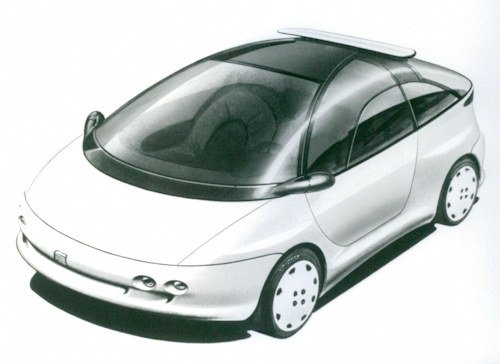
Studies Prototypes and Concept
- Seat Mallorca (sports car, 1974)
- Seat Proto T (1989)
- Seat Proto TL (1990)
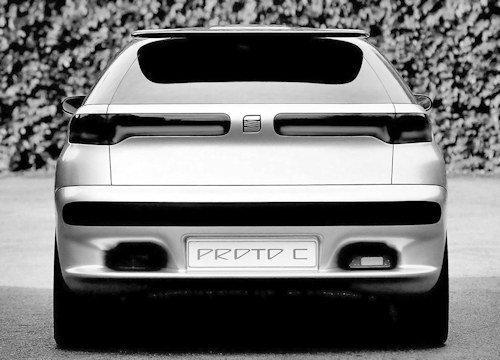
- Seat Proto C (1990)
- Seat Marbella playa Concept (1991)
- Seat Toledo Exclusive (1992)
- Seat Toledo Olimpic Electric (1992)
- Seat Concept T (1992)
- Seat Concepto T Convertible (1993)
- Seat Bolero (sports sedan, 68th Geneva Motor Show 1998)
- Seat Toledo Cupra Concept (1999)
- Seat Fórmula (sports car, 69th Geneva Motor Show 1999)
- Seat Salsa (Study for Seat Leon , 70th Geneva Motor Show 2000)
- Seat Salsa emotión (off-road version, 70th Geneva Motor Show 2000)
- Seat Baliza (Funcar 2001)
- Seat Brisa (Funcar, 2001)
- Seat Tango (Roadster, IAA 2001)
- Seat Cupra GT (racing car, Barcelona Motor Show 2003)
- Seat Freetrack (SUV, Geneva Motor Show 2006 *)
- Seat Tribu (SUV, IAA 2007)
- Seat Bocanegra (Study of the Ibiza, Geneva 2008)
- Seat IBZ (study of the Ibiza ST (station wagon), Frankfurt 2009)
- Seat IBE (Electric Car Study of 2010)
- Seat IBL
- Seat IBX
- Seat Toledo Concept
- Seat 20V20 (Off-road Vehicle Study, Geneva 2015)
- Seat Leon Cross Sport (Crossover Study, IAA 2015)
Seat from Emelba
- Emelba Siete (Van Ibiza Base, 1984)
- Emelba Poker (SEAT 127-based van, 1980)
- Emelba Pickup (pickup based on Malaga, 1987)
- Emelba Chato (minibus based on Marbella, 1986)
SEAT Córdoba WRC
 |
|
|
Make |
Seat |
|
Years |
1998 to 2000 |
|
Class |
Race car |
|
Homologation |
World Rally Car |
|
Engine |
1,995 cc |
|
Transmission |
Six-speed sequential |
|
Drive |
4-wheel drive |
|
Wheelbase |
2,443 mm (96.2 in) |
The SEAT Córdoba WRC is a rally vehicle based on the SEAT Córdoba built from the late 1990s.
History
With World Rally Car approval . It was built by SEAT to participate in the World Rally Championship in the official team, the SEAT World Rally Team which is managed by its sports department, SEAT Sport . The car debuted in the 1998 Finland Rally and participated from that year until 2000 The car never got a victory but three podiums: in New Zealand and Great Britain in 1999 and in the 2000 Safari . It had three evolutions and its last official participation was in the Rally of Great Britain of 2000 .After its withdrawal from the World Cup, the SEAT Córdoba WRC continued to appear in world championship events in the hands of private pilots, but on their destination were the national and regional championships, mainly from Spain, both in asphalt and land competitions.
The development of the Córdoba WRC was not easy since the vehicle was one of the longest, next to the Škoda Octavia WRC of all cars in the category and was also the one with the most limited wheelbase. The distribution of weights was an inconvenience because of the long overhangs which unbalanced the car. The engine block started from the second generation Volkswagen Golf , the same one that had been used in the Ibiza Kit Car although with the addition of turbo, in line with the regulations. The engine was located on the front axle but slightly ahead of it, which influenced the behavior of the moving car, with clear understeer. As for the gearbox, it was located transversely to the engine, which did not help the distribution of weights. The rest of the car's elements were commissioned from different external suppliers: the engine to Dany Snobeck (a French expilot specialized in circuit car motors), the change to the British company Hewland (who designed the carcass, since the sprocket did it the Seat itself), the gearbox and the transmission scheme to Prodriveand the Öhlins Swedish shock absorbers that were mounted with a McPherson scheme on both axes. The result was not as expected for the engineers: Snobeck had trouble finding a good response in the engine at low and medium speeds and the great pending issue of Córdoba was the sub-turning behavior, something that was tried to solve in the successive evolutions. As for the differentials Seat mounted an active type in the center and front, while the rear were initially mechanical but later changed to an electronic one. One of the things that the brand managed to correct was the cooling, initially quite poor due to the forced position of the turbo, which improved in the second evolution when the front of the car presented a new aesthetic line.
The Córdoba WRC, like its contemporaries, had a turbocharged 1995 cc engine, four cylinders in line and 16 valves that developed a power of 300 hp limited by regulations through a flange on its turbo. It had, but not in its standard version, four-wheel drive and a six-speed sequential gearbox.
The first version of Córdoba debuted in the 1998 Finland Rally and its best result was a third place in New Zealand in 1999 by Toni Gardemeister . This first version was not exempt from development problems due to the lack of experience of SEAT in all-wheel drive models and external suppliers.The second evolution debuted just one year later, in the 1999 Finland Rally and tried to solve some of the reliability problems of its first version, especially its low response to low revolutions. For this Garret incorporated a new turbo. They also worked on the suspensions, on aerodynamics, such as the introduction of a new rear wing, and the cooling and aesthetic appearance was provided with a new front, according to the version of the street model. With two podiums, Great Britain 1999 and Safari 2000 , it was the most successful version of all. 5
The third and final evolution that the Córdoba WRC told, debuted in the 2000 Finland Rally and its best result was the sixth place that Gardemeister obtained in Australia that same year. The car presented some changes, mainly aesthetic as the new front, but it also changed all the internal wiring.
SEAT Proto concept cars
|
|
|
Make |
SEAT |
|
years |
1989 and 1990 |
|
class |
Concept |
|
Designer |
Giorgetto Giugiaro |
SEAT Proto is the name of three car prototype concepts that were presented by the Spanish brand SEAT in 1989 and 1990.
History
These three prototypes (called Proto T, TL and C) were designed in Italdesign Giugiaro ,from the designer company Giorgetto Giugiaro .
Both Proto T and Proto TL are part of the same project from 1989 and 1990, as they are a set of prototypes that show the advance and the evolution of one another as 5-door liftback.
The SEAT Proto T was presented in 1989 at the Frankfurt Motor Show . The body was a saloon type, painted entirely in silver gray. In the back doors came the name of Proto T and had all the moons tinted in black, in addition to including a new logo proposal for SEAT with a new, more futuristic S. More specifically, this prototype was a non - rolling model that was innovative for the brand as it would the image of SEAT 90s to the following year was presented the SEAT Proto TL, a definitive evolution of the Proto T.
The SEAT Proto TL was presented at the Geneva Motor Show held in March 1990. The Proto TL was a more advanced evolution of the Proto T. Aesthetically it was the same silver gray color with the name Proto TL on the rear doors. The most noticeable changes were the bumpers. They had included large black moldings, different hubcaps and the crystals already showed inside, even from the panoramic glass ceiling with variable opacity according to the lighting conditions, because technologically it included novelties such as a magnetic data probe that was placed at the height of the fog lights, which received data on traffic, weather conditions, because in addition to these advances the prototype, developed great quality and luxury with its leather upholstery to match the light gray cabin.
These 2 prototypes were a design advance of the S3 project, approved by the Volkswagen group for the SEAT brand in 1986, made by Giorgetto Giugiaro and developed in Italdesign Giugiaro ( Turin ), to develop a new saloon-type model.
Although from the beginning the name that the definitive model would use was known, it was played with the presentation of the prototypes by naming them with the initials and as a progress was made a consonant letter was added. First with Proto T, then Proto TL and a third prototype was expected as an advance to the final version called Proto TLD, as it was the code name of the model that would be developed in the S3 project.
The SEAT proto TLD would remain as a presentation mockup for SEAT by Italdesign, already named deciphering the key as Proto ToLeDo, (with the consonant letters in uppercase highlighting TLD and in lowercase the vocal letters that were missing to know the name of the model), for it was almost definitive model missing some final touches giving rise to the model SEAT Toledo .The first generation of the SEAT Toledo was commercialized from 1991. In addition, these prototypes would also serve as inspiration for the second generation of the SEAT Toledo, marketed as of 1998, with more rounded lines that reminded a lot of the Proto T and TL.
The seat proto C was the third prototype of SEAT who used the name Proto. It was presented at the Paris Motor Show in 1990 with the SEAT Proto TL. Unlike this, it was a different concept; a mix between an MPV and a two volume 3-door Coupé with a very futuristic line. It incorporated a panoramic roof from which a spoiler arose, the front had a sloping fall with rounded double headlights, the model had a gray body with black moldings on both bumpers and hubcaps that formed the SEAT logo.
The SEAT Proto C, as a prototype, advances the future lines that the next SEAT Ibiza of the second generation would have, which in turn derived from the SEAT Córdoba of the first generation, which were marketed since 1993. Of the futuristic lines that The prototype had what was used for the development of Ibiza was the back, because the front wanted to do something more similar to Toledo but differentiated from it.
In SEAT's plans, it was intended to elevate the category to Ibiza being positioned within its usual segment but with a somewhat larger image since it would grow somewhat in size. Within this strategy, there were other plans, to expand the Ibiza range, the press speculated that the name of the model having the letter C, as was the case with Proto T or Proto TL, which anticipated the name Toledo, a new name could emerge that would replace the Ibiza or accompany it, at first there was much talk that this could be Cádiz but finally the letter C, referred to an extension of the range and this letter made reference to the future SEAT Córdoba, which was the sedan version from Ibiza.
SEAT Formula
 |
|
|
Maker |
SEAT |
|
Period |
1999 |
|
Class |
concept |
|
Engine |
2.0L |
|
Body |
Convertible 2 doors |
|
Dimensions |
3943/1758/1152/2523 |
|
Weight |
900 kg |
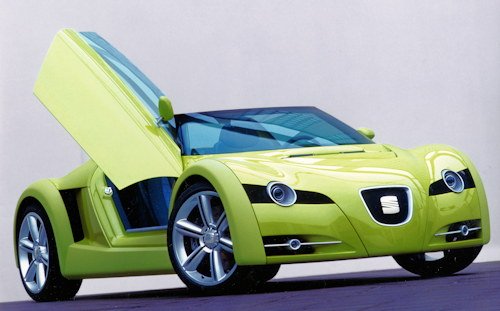
The SEAT Formula is a sports car prototype of the Spanish manufacturer SEAT , presented at the Geneva Motor Show in 1999 .
History
The SEAT Formula is a convertible 2 door car came with comfort and convenience as if it were a production vehicle, but with a competition race type look.
Fitted with 20-inch wheels ( with 7.5 J x 20 "front and 9 J x 20" rear) with 205/45 R20 and 255/35 R20 front rear tires, its 100-liter trunk conceals a spoiler that unfolds automatically above 50 km/h, opening its Seagull wing type doors and especially the shape of its beaked front recreates the sensation of a car, hence the model was the SEAT Formula.
Its petrol engine is a four-cylinder 2.0-liter engine with turbocharger and 20 valves, associated with a six-speed sequential gearbox. The Formula engine develops 240 horsepower, and can accelerate from 0 to 100 km / h in a time of 4.8 seconds and reach 235 km / h top speed

